Dwelling vs. contents: how flood adjusters split the scope
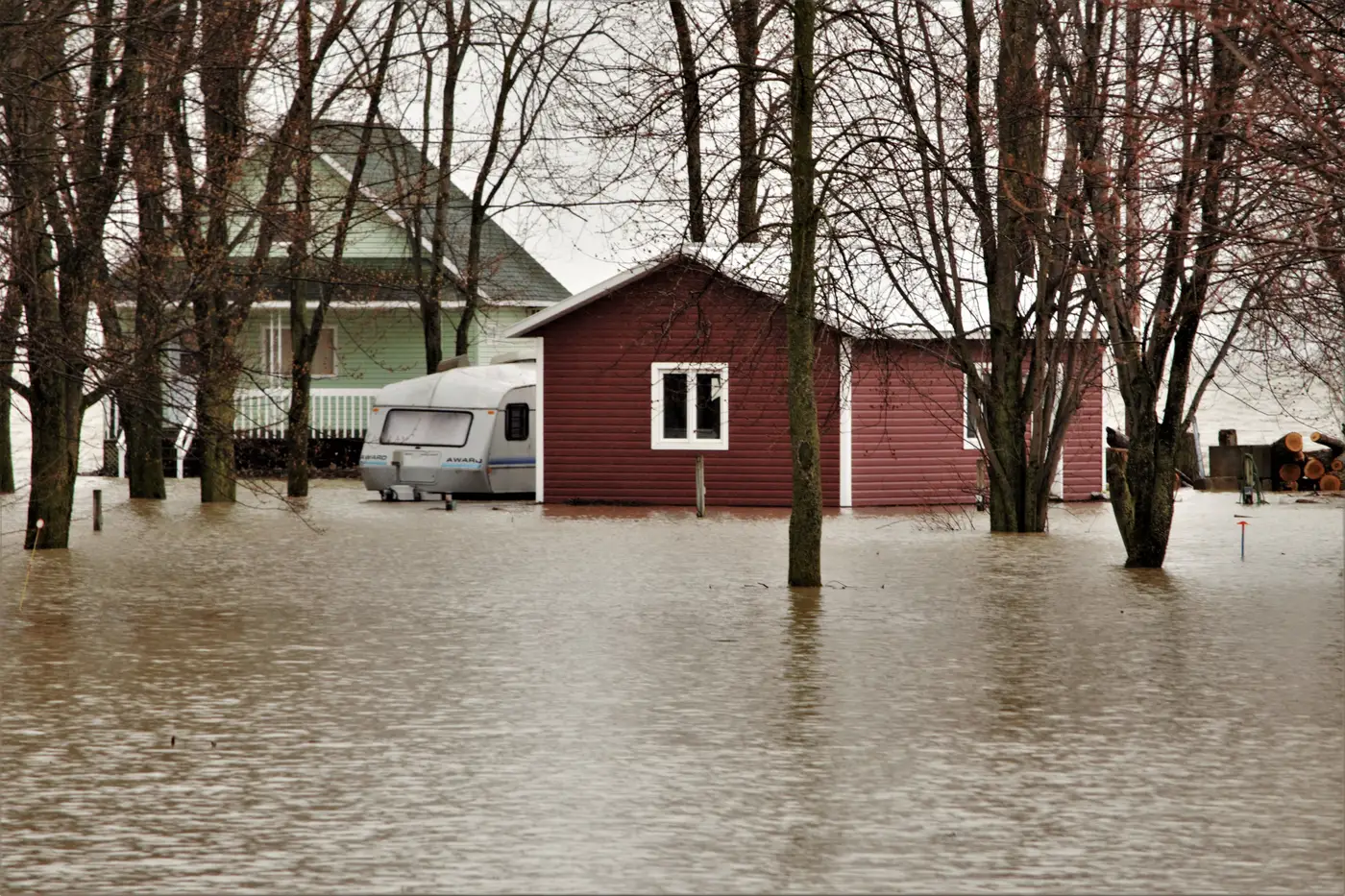
A homeowner calls in after six inches of water sat in their living room for two days. One claim number, two very different scopes of work, and sometimes a third coverage that only kicks in if the house isn't livable. Here's how that split actually happens on the ground.
Dwelling scope: what's attached to the structure
Coverage A (dwelling) follows the building itself. Drywall cut to the flood line, baseboards, subflooring, built-in cabinetry, HVAC units sitting in a flooded crawlspace, electrical panels below the waterline. The adjuster's rule of thumb is simple: if it's affixed to the structure or part of its systems, it's dwelling.
The water line does most of the scoping work here. Drywall typically gets cut and replaced a foot or two above the visible waterline to stop wicking, not just to the inch the water reached. That's why two houses on the same block with a six-inch difference in flood depth can end up with wildly different dwelling estimates. One gets a baseboard swap. The other gets drywall torn out to the ceiling line in a finished basement.
Contents scope: everything that walks or rolls
Coverage C (personal property) covers what isn't nailed down: furniture, electronics, rugs, clothing, anything in boxes. The adjuster building the contents inventory walks room to room with a list, noting what sat in standing water long enough to be a total loss and what got splashed but survived.
Depth and duration both matter here in a way they don't for dwelling. A sofa that sat in eight inches of water for three days is gone. The same sofa in two inches for six hours might just need cleaning. This is where field adjusters and desk adjusters sometimes disagree, and where a documented water line photo from the inspection carries real weight in the file.
On a lot of claims, dwelling and contents get scoped by the same adjuster in one visit. On larger or more complex losses, especially where a policyholder has a separate contents policy or a commercial tenant improvement question, they get split across two people entirely. Either way, the paperwork treats them as separate line items with separate limits and separate depreciation schedules.
Where ALE fits, and where it doesn't
Additional Living Expense covers the cost of being displaced: a hotel room, a short-term rental, the difference between what the policyholder normally spends on groceries and what they're spending eating out. It only triggers when the dwelling is genuinely uninhabitable, not just inconvenienced.
The detail that trips people up: the NFIP's Standard Flood Insurance Policy doesn't include ALE at all. If a policyholder is relying on an NFIP policy alone, there's no additional living expense payout coming from the flood side, period. Private flood policies and some homeowners policies written with flood endorsements do include it, but it's worth checking the specific policy form before anyone sets expectations with a displaced family. Nothing kills trust in week one of a catastrophe response faster than correcting a coverage promise in week three.
Why the split matters for how you triage a flood-hit book
None of this changes in the first 48 hours after an event, when the real problem is volume, not coverage interpretation. You've got thousands of addresses and no way to know which ones sat in standing water versus which ones are dry and just calling in out of caution. Dwelling, contents, and ALE scoping all assume someone has already confirmed the home got wet.
That's the gap Flood Extent Mapping is built for: taking the observed water extent for the event and running it against your exposure file before a single adjuster drives out, so the addresses clearly outside the water move straight to fast-track pay and everything inside or borderline gets routed to an adjuster with a mapped water polygon already attached to the file.
If your triage list is still built on gauge reports and news footage, see what a mapped water extent against your book looks like for the next event.