Blog

Notes on flood claims triage

  1. How to triage a flood claim when the address doesn't match your exposure file

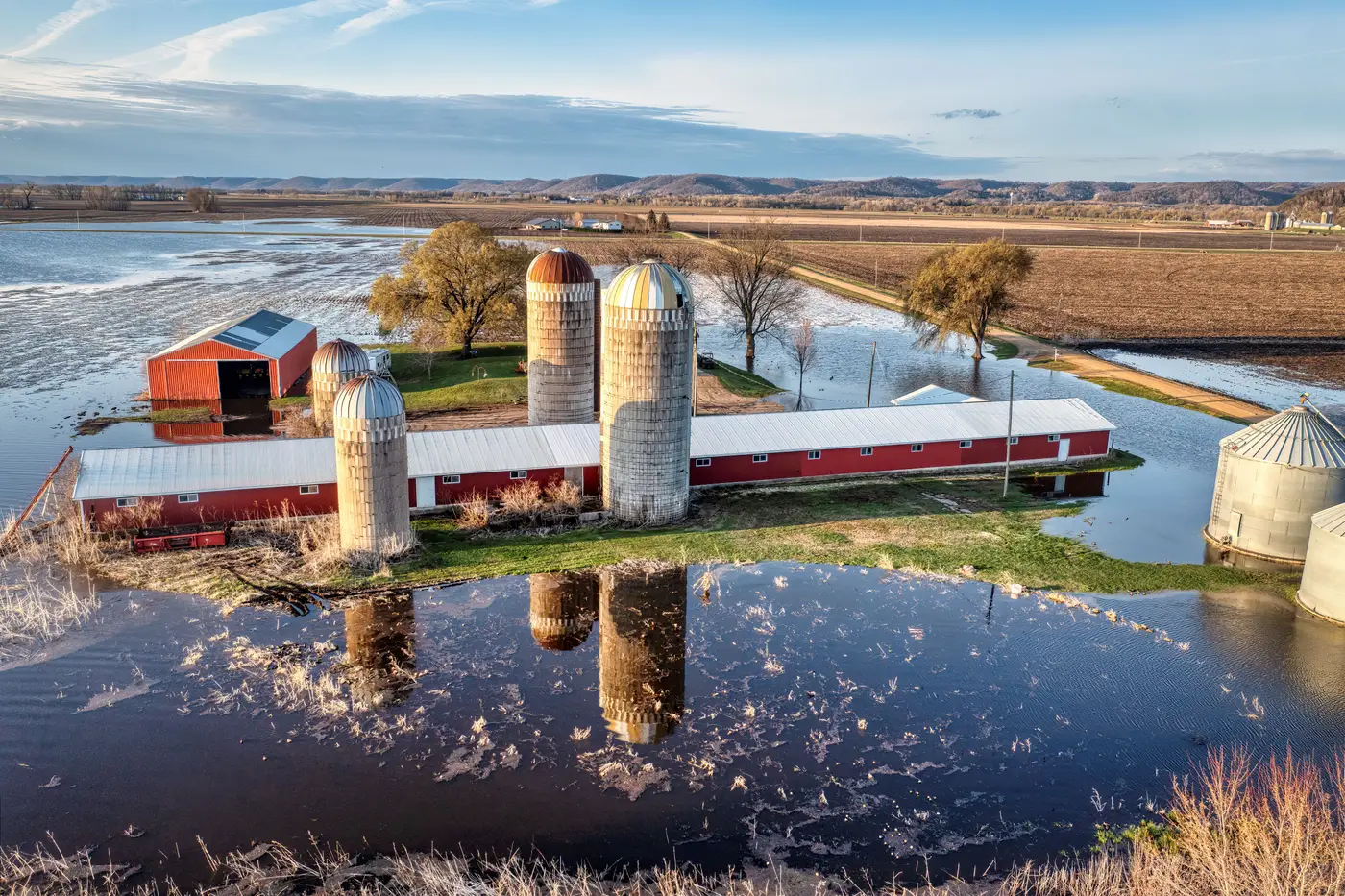
    Mailing address on file doesn't match the flooded property? Here's how to resolve geocode mismatches fast without stalling your flood claim triage.
  2. What a loss reserve is and why first-week flood data moves it
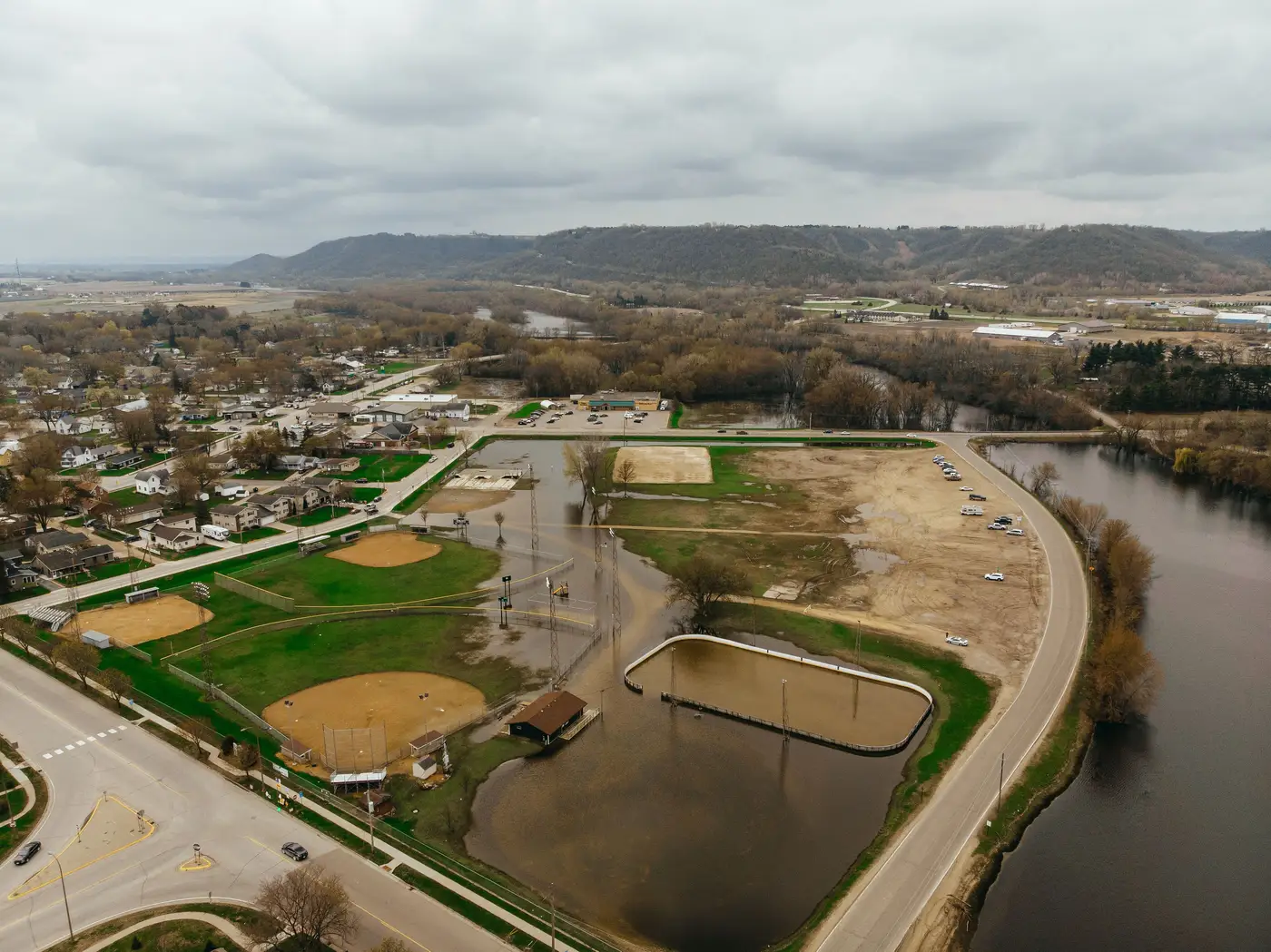
    A plain look at loss reserve mechanics in flood claims and why address-level water extent data in week one changes the number.

  3. The first Monday: counting claims that never needed an adjuster
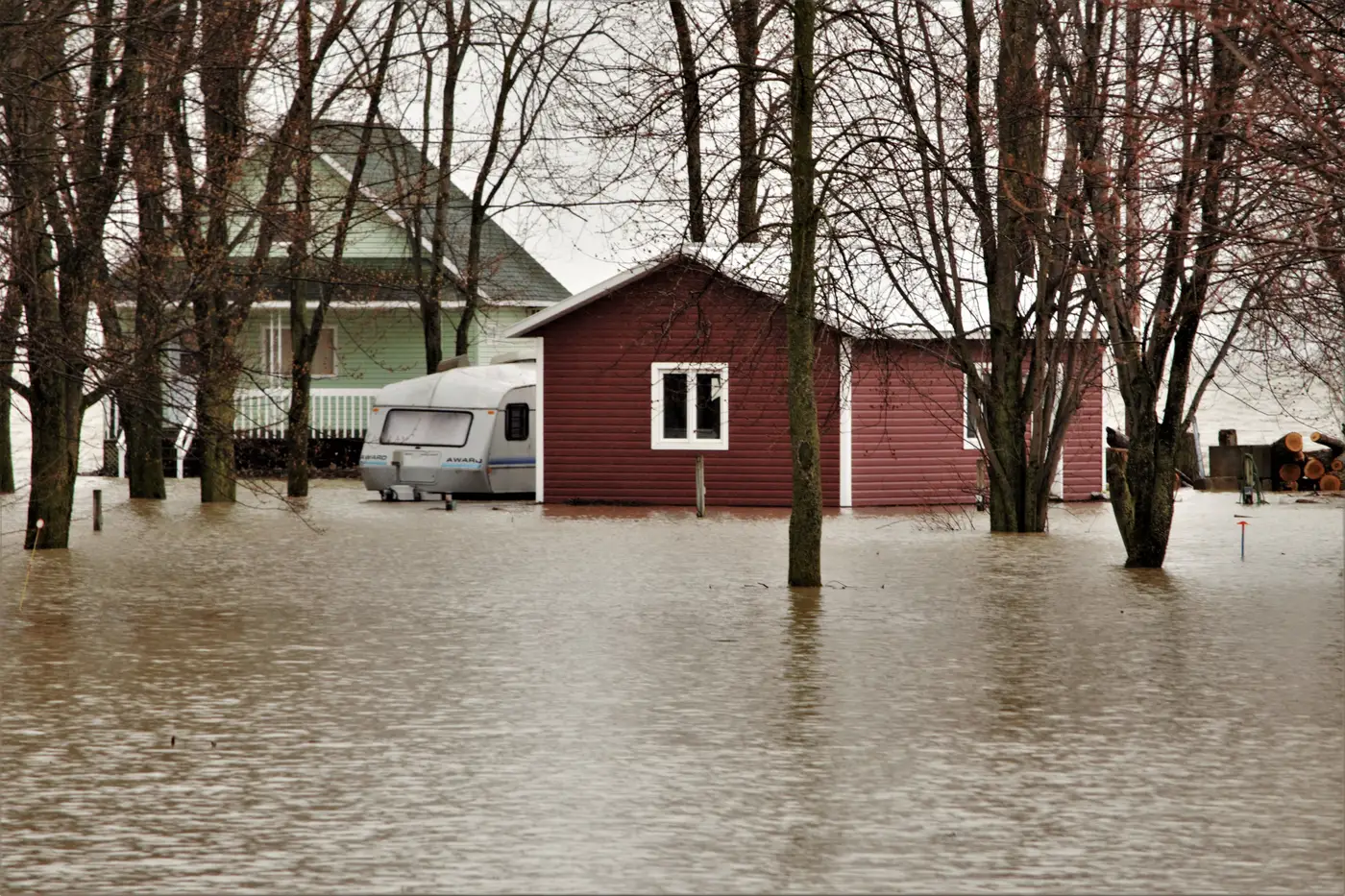
    A field-notes look at the Monday-after-the-event count, and what it costs a claims desk when every address still needs a human look.

  4. What is ALE coverage, and when does a flood claim trigger it?
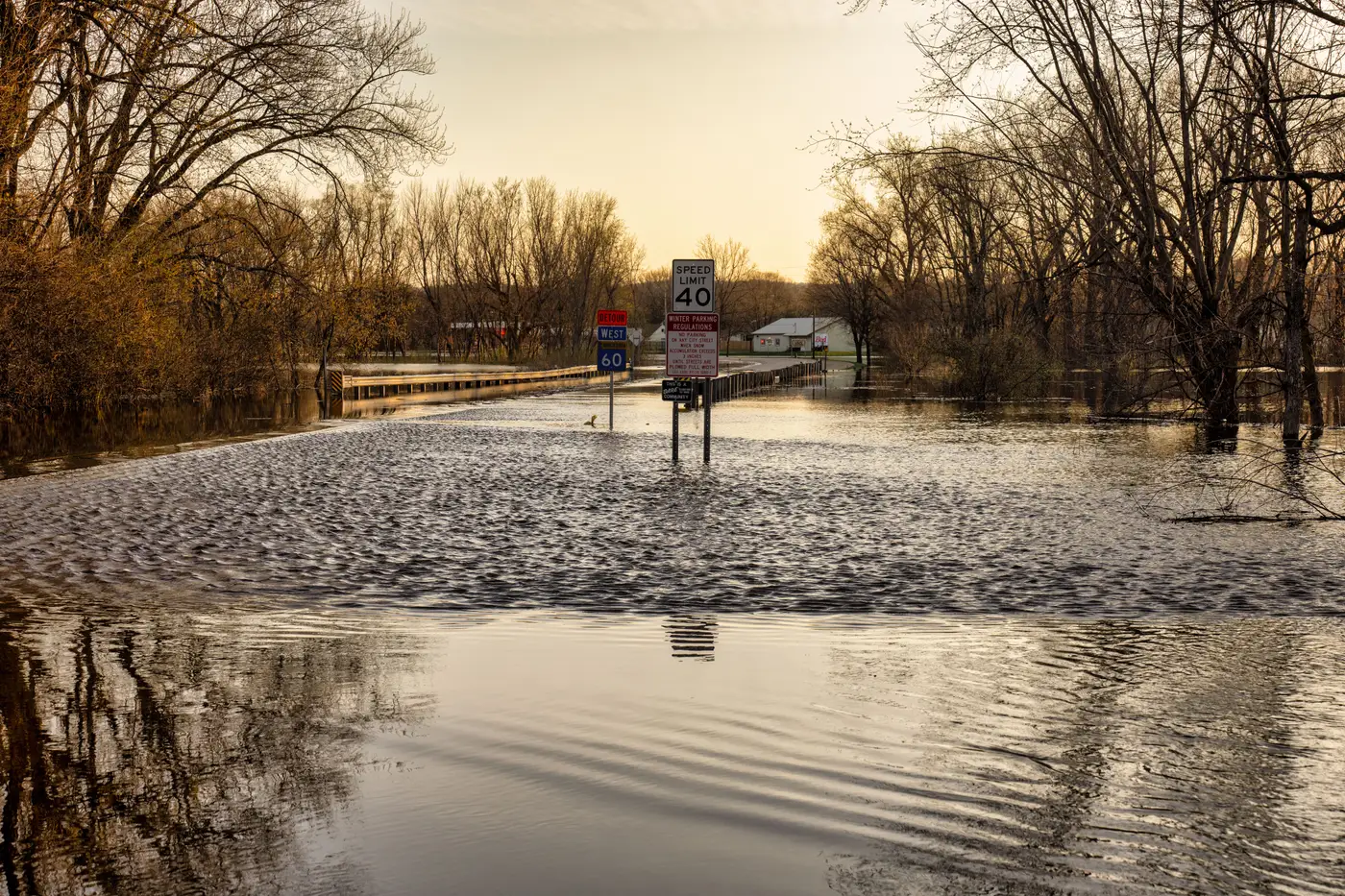
    A plain look at additional living expense coverage under flood policies: what it pays, what starts the clock, and why the trigger date matters on volume events.

  5. Setting a buffer distance around a flood polygon before fast-tracking

    How claims teams size the buffer zone around a flood extent polygon so fast-track and adjuster routing don't rely on guesswork.

  6. Manual desk review vs automated flood triage: what changes in week one after a storm

    How claims teams spend the first week after a flood event, and what changes when imagery triage replaces address-by-address desk review.

  7. Field notes: the Saturday our fast-track list and the adjuster's gut didn't agree
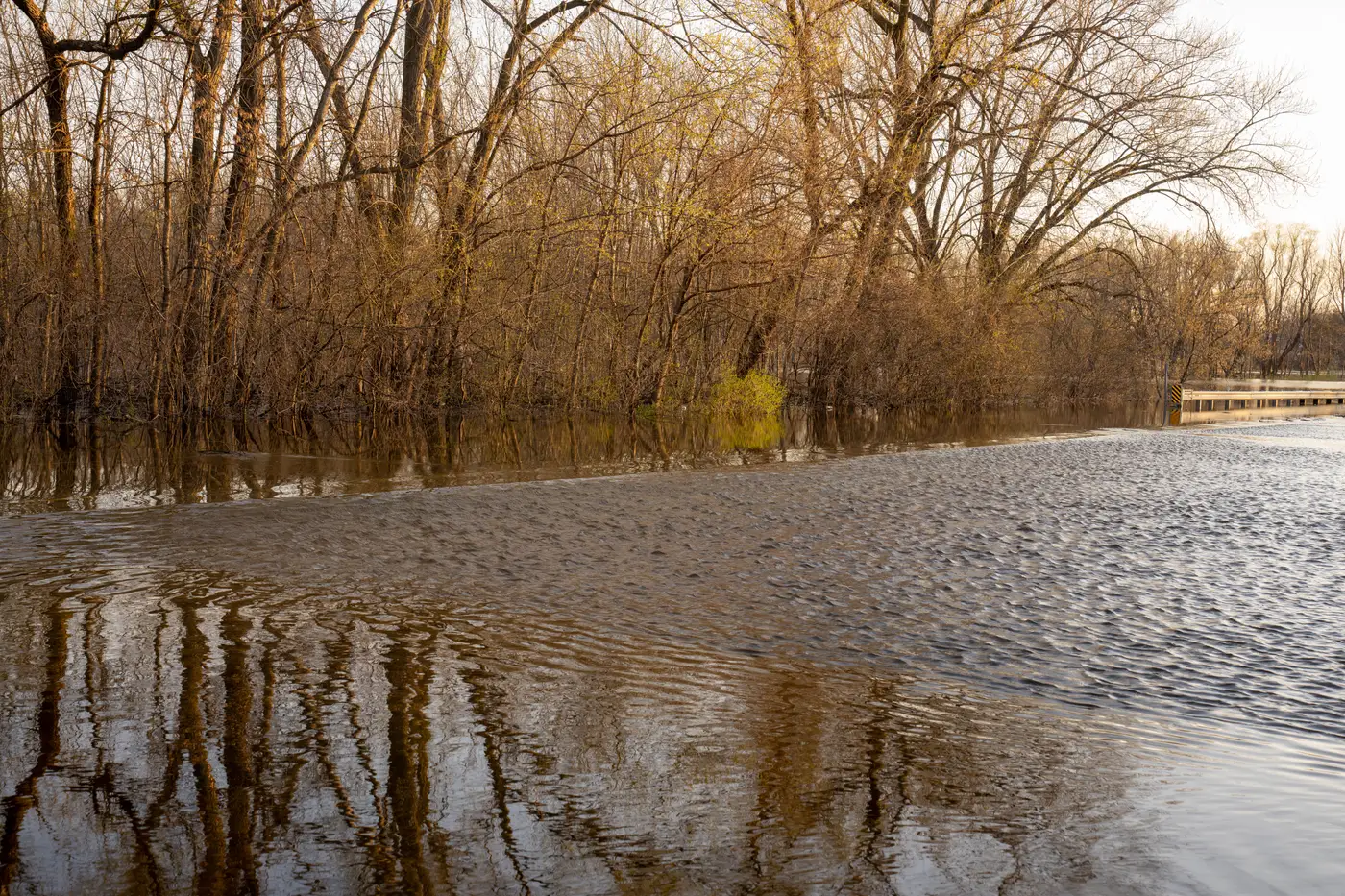
    A CAT Saturday where a water-extent triage list cleared an address our best adjuster still wanted to see in person. Notes on what we learned.

  8. How to flag flood claims near a levee or floodwall for extra review
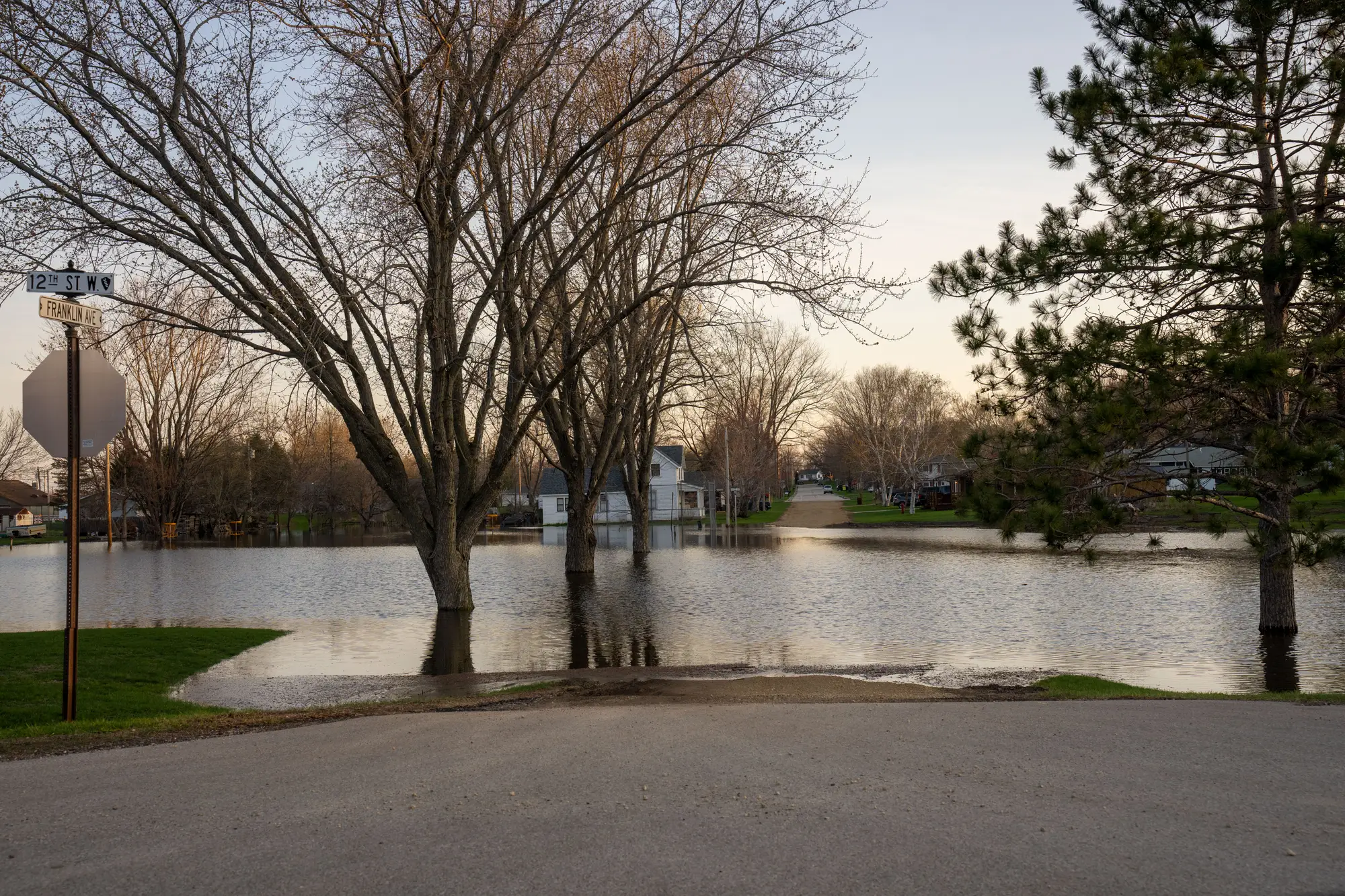
    Levee-protected addresses break a clean fast-track/adjuster split. Here's how to carve out the exception before you run triage.

  9. Dwelling vs. contents: how flood adjusters split the scope

    A field-level look at how dwelling, contents, and ALE get scoped separately on a flood claim, and why the split matters for triage.

  10. What is a sublimit, and how does it cap a flood claims payout?

    A plain explanation of flood policy sublimits, basement contents caps, and why adjusters need to flag them before triage, not after.

  11. Field notes: the week the river moved faster than the claims queue

    A claims team's account of triaging a river flood by gauge charts and news footage, and why the real bottleneck wasn't adjusting claims at all.

  12. NFIP vs. private flood claims: how imagery-based triage differs

    How WYO/NFIP claim rules and private flood carrier handling change what imagery-based triage can do for each book after a flood event.

  13. Explaining a fast-track flood pay decision to a policyholder

    How to word a flood claim fast-track pay letter when the claim was paid without a field inspection, and what to say if a policyholder calls.

  14. What is an exposure file in catastrophe claims management?

    What goes into a catastrophe claims exposure file, how its format differs from your policy in-force file, and why clean geocoding matters after a flood.

  15. Flash flood vs riverine flood: how adjusters tell them apart on a claim file

    How claims teams separate flash flood from riverine flood on a loss file, and why the distinction drives coverage, timing, and triage order.

  16. Proof of loss deadline extensions after a declared flood disaster

    How FEMA bulletins extend the NFIP proof of loss deadline after a declared flood disaster, and what that means for your claims timeline.

  17. FEMA flood zone maps vs. real-time satellite flood extent imagery

    FIRM zone designation tells you who was at risk before the storm. Satellite extent imagery tells you who actually took on water after it.

  18. How long after a flood is satellite imagery usable for claims?

    What controls the gap between a flood event and a usable satellite scene, and why cloud cover usually drives the delay.

  19. How to verify a flood claim without a site visit

    A practical look at desk adjusting flood damage: what you need to verify a claim remotely, and where that process runs out of road.

  20. What is a water polygon in flood claims adjusting?

    A plain-language look at what a water polygon is, how it's built from satellite imagery, and why it matters for flood claim triage.