Explaining a fast-track flood pay decision to a policyholder
A fast-track pay decision sounds like good news until the policyholder reads the letter and realizes nobody came out to look at their house. Then the phone rings, and whoever answers it needs language that holds up.
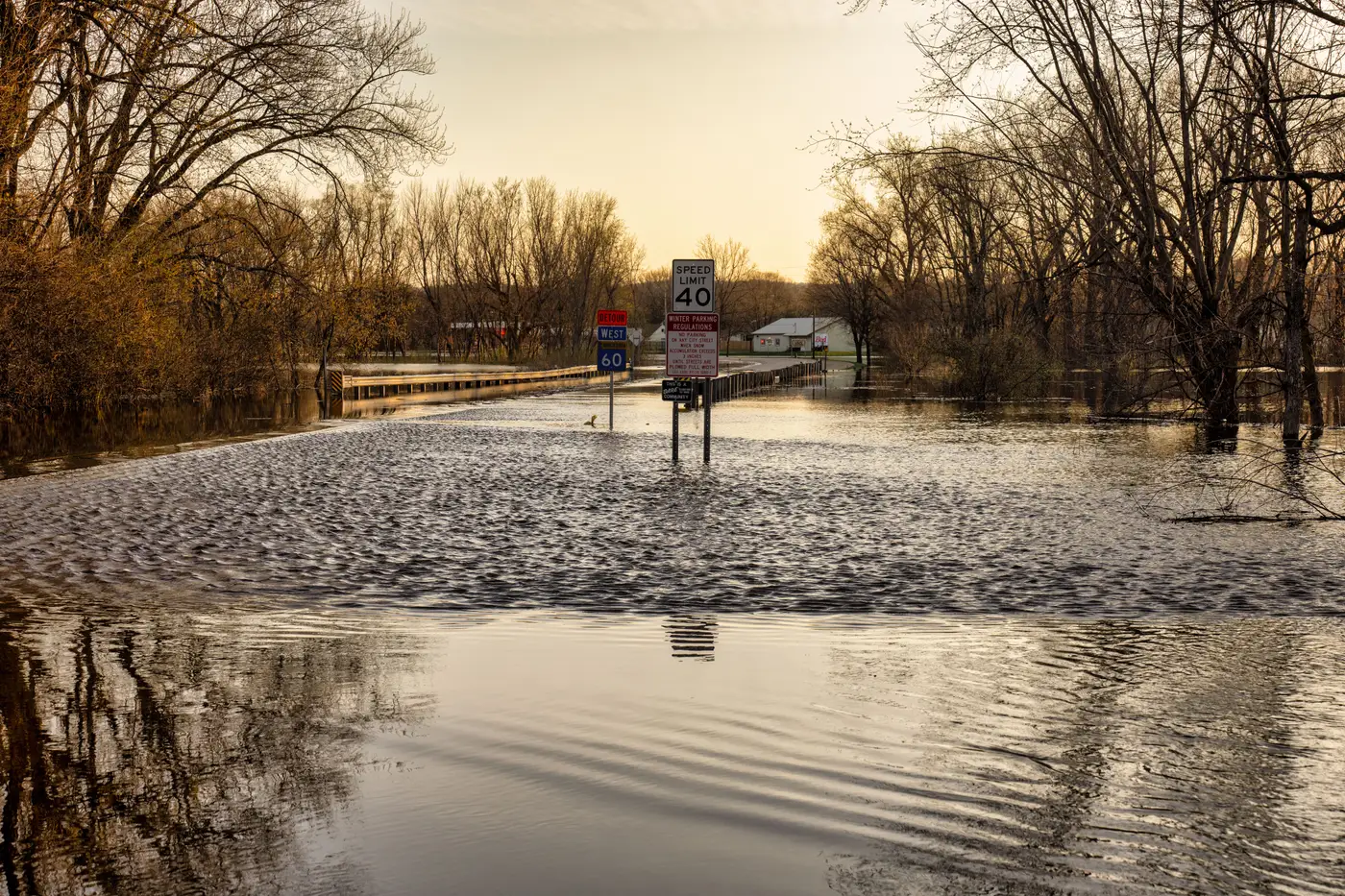
This comes up every time a regional flood event produces a triage list instead of a queue of inspections. Addresses sitting clearly outside the observed water extent get moved to pay fast. That's a win for the policyholder in theory. In practice, a homeowner who watched their neighbor's street flood on the news doesn't always trust a letter that says "approved" with no adjuster visit attached.
Why the no-inspection letter reads as suspicious instead of good news
Policyholders associate inspection with legitimacy. No adjuster, no walkthrough, no photos taken by someone in a vest, and the claim feels unverified even when it's been checked against something more precise than a visit could manage. If the letter just says "your claim has been approved without an on-site inspection," most readers hear "they didn't check" rather than "we confirmed your property wasn't in the flood zone."
Name what was checked instead of leaning on a longer legal disclaimer. Say that the property's location was compared against the mapped extent of flooding from the event, using imagery captured once conditions allowed a clear view of the ground. That's a specific, verifiable claim, not a vague reassurance. Policyholders accept "we looked at where the water went and your address wasn't in it" far more readily than "our system flagged you as low-risk."
Fast-track letter language that holds up
A few things worth putting in writing, in roughly this order:
- What triggered the review (the declared flood event, with date range)
- What was checked (property location against the mapped water extent for that event)
- The outcome (payment approved, amount, and what it covers)
- What happens if the policyholder disagrees (a direct line to request a field inspection, not a buried appeals process)
That last point matters more than people expect. A policyholder whose basement actually took on water, despite the surface near their address staying dry, needs a fast way to say so. Build the override path into the same letter that delivers the good news, not a separate complaints channel three pages into the policy packet. "If you believe your property was affected by floodwater despite this review, call [number] to request an adjuster visit" costs one sentence and prevents a week of confused calls to the main claims line.
Avoid the phrase "automated decision" if you can help it. It reads as cold, and it raises liability and appeal-rights questions. Those questions belong in your policy language as a deliberate decision from legal, settled ahead of the event, rather than left to whatever word choice happened to land in a form letter under deadline. "Reviewed using satellite imagery of the flood extent" says the same thing and sounds like a method, not a verdict handed down by software.
When the fast-track answer isn't the right answer
Not every address outside the mapped extent should get an automatic check. Basement flooding from groundwater, sewer backup, or a burst pipe unrelated to the event can produce real damage at a property the surface water never reached. Garage and crawl-space claims deserve a second look too, since minor pooling there doesn't always register the same way a flooded field does. The triage list sorts by exposure to the event's extent. It doesn't replace judgment on claims that don't fit the pattern cleanly, and your adjusters still need to see those.
If your team is building or refining this kind of triage process ahead of the next event, the approach behind flood extent mapping as a sorting step for a flood-hit book is worth a look before the letters go out next time, not during the scramble when they already have to.
Getting the wording right now means the next event's fast-track letters go out answering the questions before they're asked, instead of generating a second round of calls explaining the first round.