What is ALE coverage, and when does a flood claim trigger it?
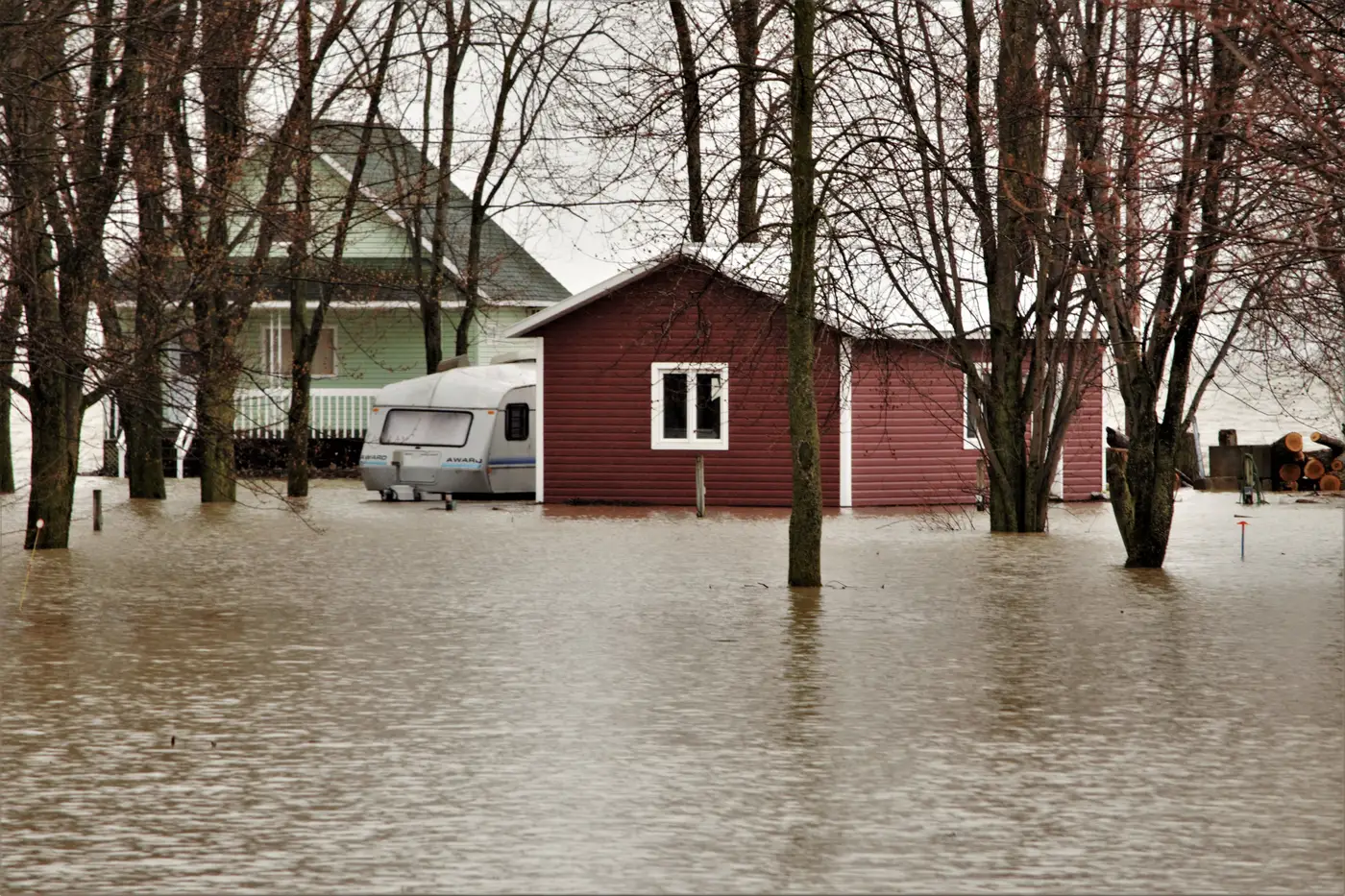
Additional living expense coverage, ALE for short, pays for the gap between what a policyholder used to spend living in their home and what they're spending now that the home is unlivable. Hotel nights, a short-term rental, extra mileage to get the kids to the same school, sometimes meals if the kitchen is out. It covers the added cost of living somewhere else while the loss gets fixed, separate from whatever gets paid for the structure or contents.
On a standard homeowners policy, ALE is usually there without much argument. Fire takes the roof, the house is unlivable, ALE starts. Flood is messier, partly because so much flood exposure sits on NFIP paper rather than a standard HO policy, and NFIP's Dwelling Form caps ALE in a way that surprises a lot of policyholders (and more than a few adjusters new to flood). Some private flood carriers mirror that structure; others write ALE more like a standard homeowners form. Whichever paper is in play, the coverage only matters once something triggers it.
What starts the ALE clock
The trigger isn't "there was a flood nearby" or "the street was underwater." It's a habitability determination: someone has to establish that the dwelling is not safe or not usable to live in, and that the flood caused that condition. That usually means one of a few things has happened:
- Standing water actually reached the structure and caused damage inside it, not just in the yard or the crawlspace vents.
- A local authority has posted the property red- or yellow-tagged, or issued an evacuation or re-entry restriction that applies to that address specifically.
- A field inspection or desk review confirms interior damage severe enough that utilities, flooring, or egress make the home unsafe to occupy.
None of those is satisfied just because an address sits inside the flood warning area for the event. A lot of policyholders call in ALE claims the day the news shows water in their zip code, and a lot of those claims turn out to be dry-basement, dry-first-floor situations where the policyholder evacuated out of caution rather than necessity. That's a legitimate instinct on their part. It's not, on its own, an ALE trigger.
Why the trigger date matters more than it looks
The trigger date sets the start of the reimbursement period, and in NFIP flood policies that period is capped, so the date the clock starts is also the date the clock starts running out. Get the trigger date wrong in either direction and you've either underpaid a displaced family during the weeks that mattered most, or you've opened a policy to reimbursement for nights spent at a cousin's house before the water ever reached the foundation.
On a single claim, confirming the trigger is a phone call and a look at photos. On a flood event with four or five thousand claims filed in the first week, confirming it one address at a time against news coverage, gauge readings, and whatever photos the policyholder sent in becomes the bottleneck that slows down every other part of triage, not just ALE.
A water-extent overlay answers that exact question at scale. Run the observed flood extent against the exposure file and you get an address-level read on whether water reached each structure for every policy in the book within days of the event, not weeks of gauge checks and news-photo comparisons. Flood Extent Mapping does that intersection within the first days after the event, sorting the book into addresses clearly outside the water, addresses inside or on the edge, and everything in between flagged for a look. The claims sitting outside the mapped water still might have an ALE story (a downed line, a blocked road), but at least the team isn't guessing from a weather map which thousand files to start with.
For a claims team working a volume flood event, that's the difference between triaging the book against evidence and triaging it against who called in first. Worth a look before the next event hits your book.