Proof of loss deadline extensions after a declared flood disaster
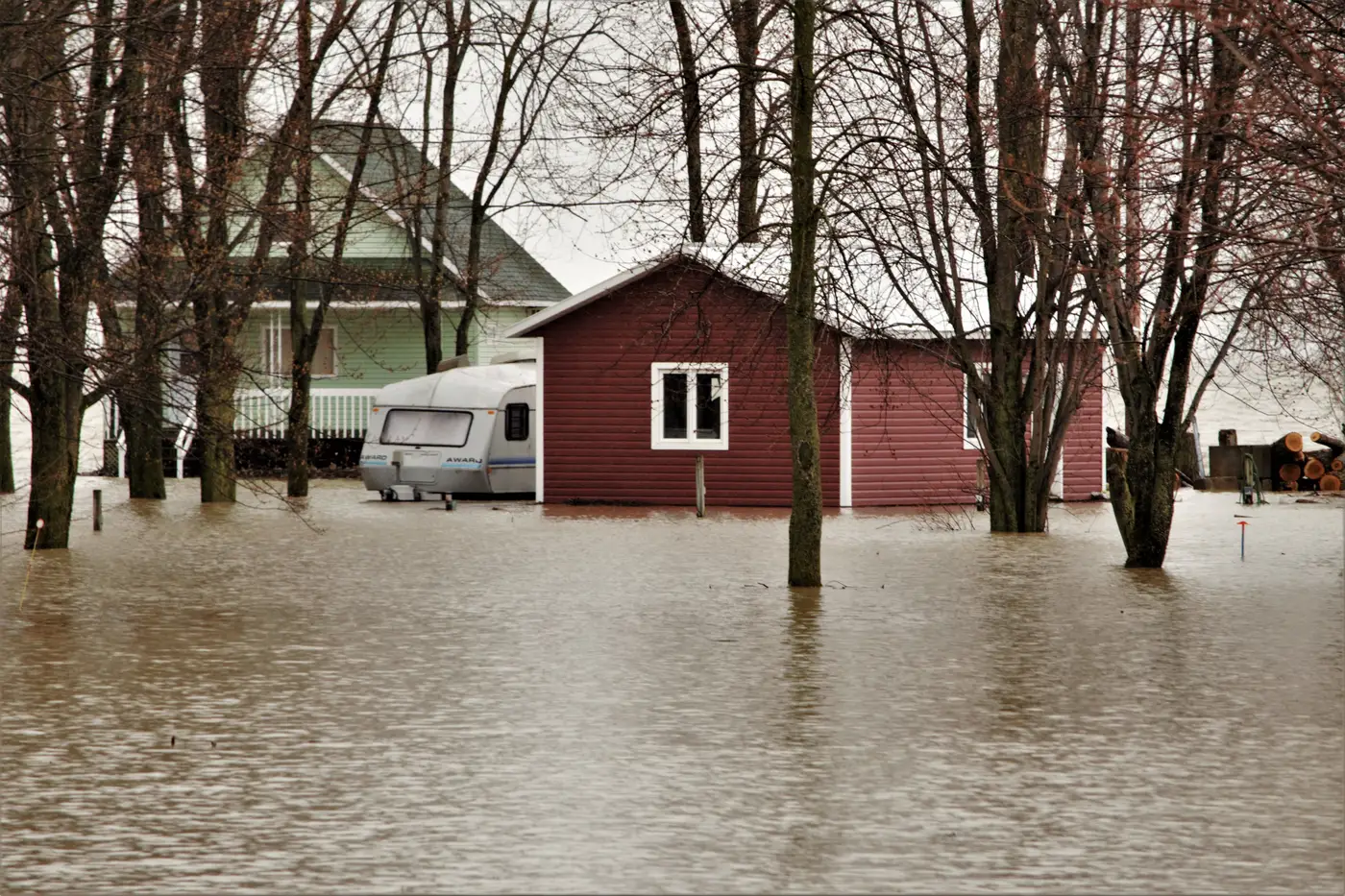
Every NFIP policy carries a standard proof of loss deadline: the policyholder has to submit a signed, sworn statement of the loss amount within a set window of the date of loss. For years that window sat at 60 days. It's the kind of deadline nobody thinks about until a CAT event hits and half your book is trying to document damage, find a contractor, and file paperwork inside the same sixty days.
That's where the extension comes in. When the President issues a major disaster declaration covering a flood event, FEMA has the authority to push the proof of loss deadline out further for policies in the affected counties. The extension isn't automatic in the sense of being baked into the policy language. FEMA announces it through a bulletin after the declaration, naming the counties or parishes covered and the new deadline. Insurers and WYO carriers then pass that extension down to adjusters and policyholders.
Why the extension exists
A 60-day clock makes sense for an isolated loss: a pipe burst, a basement sump failure, one house. It makes a lot less sense when a named storm puts water into ten thousand structures across three counties, utilities are down, roads are washed out, and every public adjuster and contractor in the region is booked solid. Policyholders in that situation often can't get an estimate, let alone a signed statement, inside two months. FEMA's extensions exist to keep the deadline from becoming a reason to deny otherwise valid claims simply because the paperwork arrived late through no fault of the insured.
Extension lengths have varied by event, sometimes well past the original 60 days, and the exact number is set case by case in the bulletin for that declaration. There's no fixed formula you can apply across every flood. If you're trying to confirm the deadline for a specific declared event, the bulletin itself, not a general rule of thumb, is the source to check.
What this means for claims timelines on your end
An extended proof of loss deadline doesn't change how fast you need to triage the book. It changes how much runway the policyholder has to submit the final signed statement, not how long adjusters should wait to start inspections, reserve, or make an advance payment. Operations teams sometimes read the extension as license to slow the whole pipeline down. That's backwards. The extension exists because documentation takes time after a CAT event, not because urgency on your side goes away.
If anything, a longer POL window raises the stakes on early triage. With more time before the formal deadline, you have more claims sitting open longer, more calls coming in asking about status, and a bigger window where a clearly-out-of-water address and a clearly-flooded one look identical on an intake form. Sorting the book by who actually sat in the water, rather than waiting on each proof of loss to get filed, is what keeps that extended window from turning into a backlog.
That's the gap Flood Extent Mapping is built for: a ranked list of the book against the observed water extent within days of the event, so the fast-track payouts and the clear water-contact claims get split apart long before proof of loss paperwork starts arriving.
Quick reference for adjusters
A few things worth keeping straight when fielding policyholder calls about the deadline:
- The standard NFIP proof of loss window is 60 days from the date of loss, policy language aside.
- An extension only applies where there's a declared disaster and a FEMA bulletin naming it.
- The extension covers specific counties or parishes named in that bulletin, not a blanket nationwide rule.
- Extended deadlines are set event by event. Always confirm against the bulletin for the declaration in question rather than assuming the same number as the last storm.
Get the water extent and your exposure file matched up early, and the proof of loss deadline becomes a paperwork date instead of a triage problem.