What is a sublimit, and how does it cap a flood claims payout?
A sublimit is a smaller cap buried inside the bigger number on the declarations page. The policy might show $250,000 in building coverage, but if the basement contents sublimit reads $2,500, that's the real ceiling for anything stored below grade, no matter what the overall limit says. Adjusters who skip straight to the dwelling limit and miss the sublimit language end up reopening files later, and that's a worse outcome for everyone than catching it on day one.
Where sublimits usually show up in a flood policy
NFIP Standard Flood Insurance Policies and most private flood forms carve out sublimits for a handful of predictable categories: basement and below-grade contents, finished basement improvements (drywall, flooring, paneling), fuel tanks and the fuel in them, and sometimes debris removal. The pattern is consistent. Anything below the lowest elevated floor gets treated as higher-risk and gets a hard dollar cap, separate from the main structure and contents limits.
This matters at claim intake because a policyholder filing on a split-level with a finished basement rec room is going to assume their full contents limit applies to the ruined sectional and the drywall. It doesn't. The adjuster has to explain, usually within the first call, that most of that loss falls under a sublimit that was set years ago and hasn't moved since.
Why a sublimit changes how a claim should route
A $2,500 basement contents cap means a claim that looks big on the surface, water four feet up the foundation, a finished basement fully lost, might resolve fast once you separate what's capped from what isn't. The main-floor and upper-floor contents are still covered at the regular limit. The basement portion is a known, bounded number. That's a claim an adjuster can often settle on the first visit instead of carrying it through weeks of documentation, because the exposure is already defined by the policy language, not by the extent of the damage.
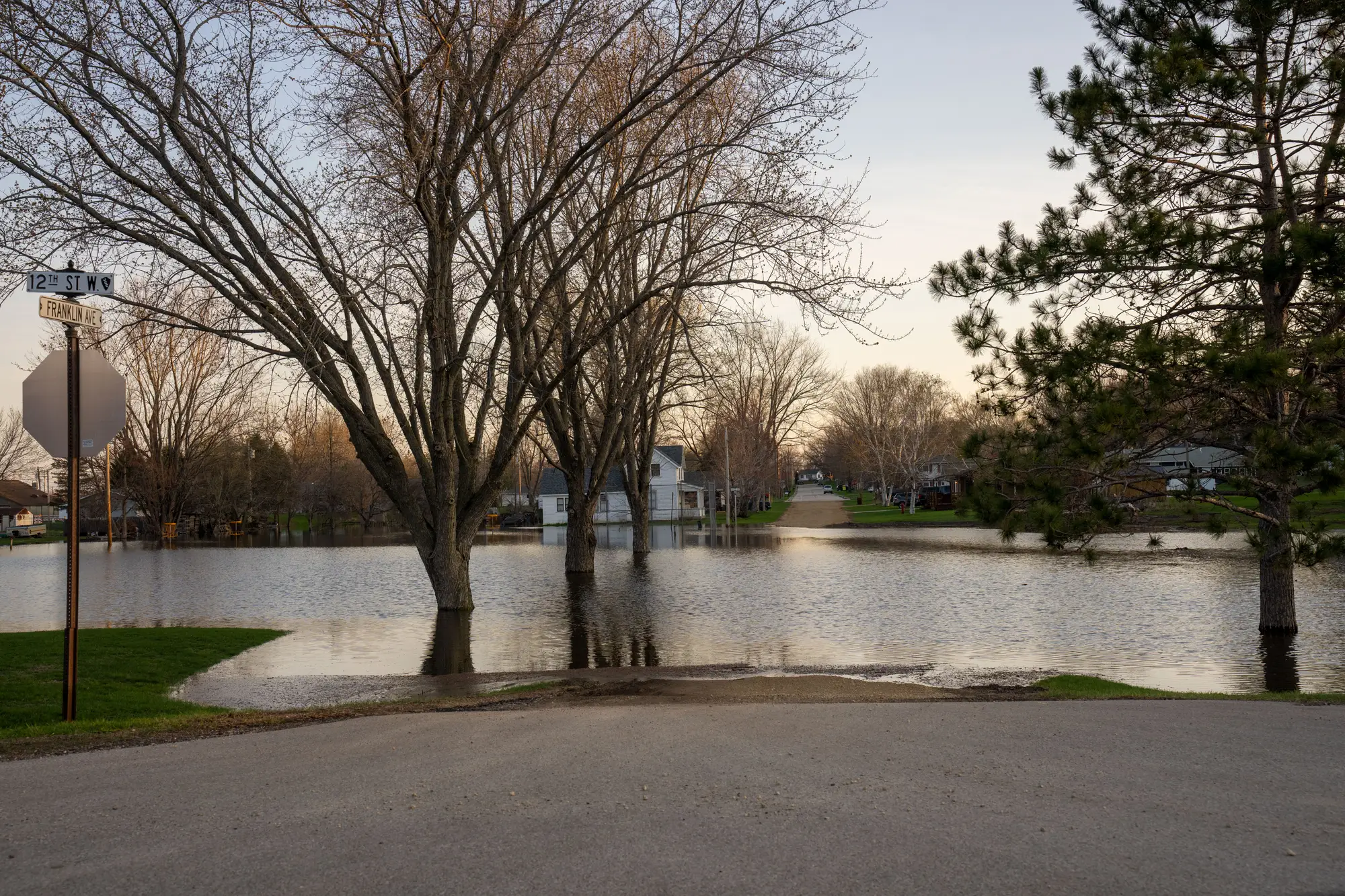
The flip side is just as true. A claim with no basement at all, or a basement that never took water, shouldn't be sitting in a queue waiting for the same scrutiny. Knowing which addresses had water reach the lowest level, versus which ones only had yard flooding or a wet crawlspace that drains back out, is the piece that usually gets guessed at from news footage and gauge readings in the first 48 hours. That guesswork is exactly the gap a mapped water extent closes, because it tells you which structures had water at a level where the sublimit actually comes into play, before an adjuster ever drives out.
That's the sorting problem Flood Extent Mapping was built around: lay the observed water extent over the exposure file and get a ranked list of which addresses sit outside the water entirely, which ones look borderline, and which ones clearly took a hit, so the desk isn't reviewing every file by hand against satellite photos and river gauge reports.
A quick way to check if a sublimit applies
Three things to confirm before quoting a number to a policyholder:
- Does the policy form list a basement, below-grade, or enclosure sublimit separately from the main contents limit?
- Did the loss occur below the lowest elevated floor, or is the water higher up in the structure too?
- Does the sublimit apply per occurrence, or does it share a combined cap with another category like fuel tanks or debris removal?
Get those three answered and most basement-related sublimit disputes resolve themselves without a second visit.
Sublimits are a line item most policyholders never read until they're standing in a wet basement asking why the check is smaller than expected. Spotting them early, and knowing which claims they'll touch, is most of the job. If separating the claims that need an adjuster from the ones that don't is eating your first week after an event, see how the triage list works.